Raman Diva Manufacturer In Samastipur
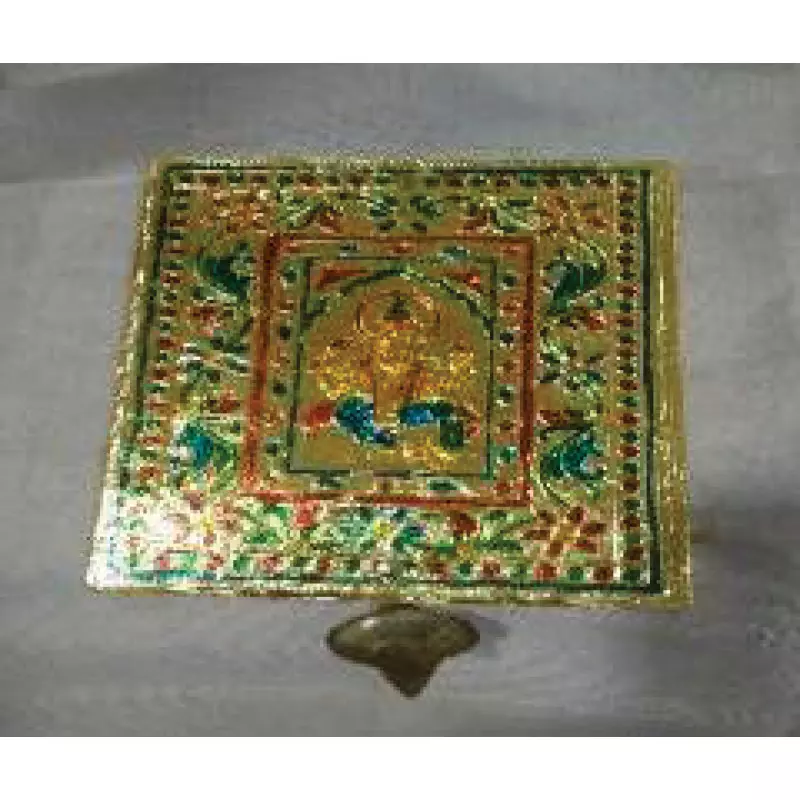
Details of Raman Diva
Handling Raman Diva production for Samastipur's market requires care with local preferences and rules. We make sure each item meets set standards while staying true to traditional designs and uses, so buyers can trust our products' consistency and safety.
Then there's the variety in quality expectations. Raman Divas often come in many forms and sizes—some meant for daily use, others reserved for special ceremonies. Meeting these needs means we keep a close eye on material choices and finish quality during manufacturing, sticking to what customers really want rather than guessing.
What Makes Our Approach Stand Out
- Material Selection: We choose only safe, natural components that last longer under normal use.
- Design Accuracy: Our divas follow traditional shapes but also offer some modern tweaks favored by today’s users.
- Batch Consistency: Every batch matches the last closely, reducing complaints about size or color differences.
The technology we use isn't flashy but practical—machines adjusted to avoid over-processing materials, keeping texture just right for burning times and light output. While hand-finishing helps maintain an authentic look, automated steps cut down errors and speed up supply without losing touch with tradition.
A further challenge is balancing cost against quality. We stick with local sources where possible (for example, certain clays or waxes), which trims costs and reduces supply chain delays even if this sometimes means slight variations in raw input characteristics (this happens more in rainy seasons). So far, this approach keeps us flexible enough to meet Samastipur demands without overshooting budgets or missing deadlines.
If you need something specific — say bigger sizes or custom packaging — let us know early. We adjust processes based on your order details before starting production; that way delivery doesn’t lag behind plans.
Offered Product
